When Root Canal Retreatment Is an Emergency
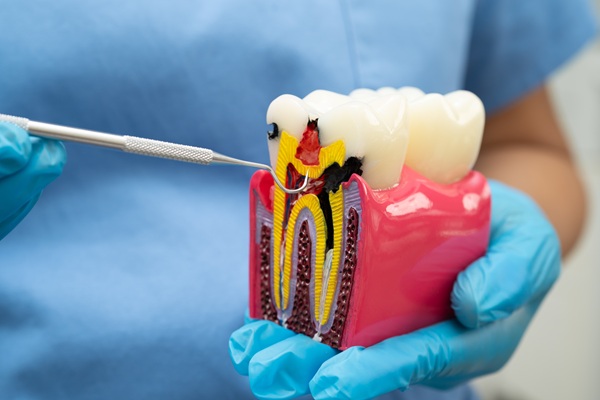
Root canal retreatment can prevent infection, pain, or swelling from compromising oral health. A root canal saves a tooth by removing inflamed or infected pulp and sealing internal spaces, but certain situations call for retreatment to restore stability. Recognizing the signs that this treatment may be urgently necessary allows a dental provider to act quickly and protect the smile. With prompt care, patient comfort returns faster, and the tooth’s long-term outlook improves.
What is root canal retreatment?
Root canal retreatment is an endodontic procedure performed on a previously treated tooth when symptoms or X-rays show persistent or recurrent disease. During retreatment, the dental provider removes the existing filling materials, cleans and reshapes the canals, and seals the spaces with new filling material. The goal is to eliminate lingering bacteria, resolve inflammation, and create a fresh, leak-resistant seal that supports a new dental restoration. Typically, this restoration is a tooth-colored dental crown.
A provider may recommend root canal retreatment for several reasons. For one, complex canal anatomy can conceal an additional canal that was not addressed during root canal therapy. Alternatively, new decay may have penetrated the initial crown or filling, reintroducing bacteria into the canal system. A cracked restoration, loosened crown, or delayed final crown placement can also make way for contamination, resulting in renewed infection and discomfort.
When root canal retreatment is an emergency
Certain red-flag symptoms call for same-day root canal retreatment from a dental provider. Severe, throbbing pain that disrupts sleep, facial or gum swelling with a pimple-like bump, warmth and tenderness over the jaw, or a bad taste from drainage often indicate active infection around a previously treated tooth. An abscess can build pressure quickly and damage nearby bone and soft tissues. The good news is that prompt care and retreatment can help relieve pain quickly and save the tooth.
Higher-risk situations also lower the threshold for urgent dental care. Orthodontic care, scheduled travel, or upcoming surgery can complicate infection control if retreatment is delayed. Patients managing diabetes, heart conditions, or immune challenges face faster-moving infections and slower healing. It is recommended to consult a dental provider promptly if signs indicate the need for urgent retreatment.
When to go to the ER before seeking retreatment
While dental providers can address urgent dental problems, they do not treat life-threatening conditions. A hospital emergency room (ER) is the right setting if any of the following appear:
- Swelling that spreads toward the eye, cheek, or neck
- Difficulty breathing or swallowing
- Uncontrolled bleeding
- Fever higher than 101 degrees Fahrenheit with chills or confusion
- Facial trauma suspected to involve a broken jaw
These signs indicate airway risk or systemic infection and require hospital-level care before dental treatment can resume.
Contact us for prompt root canal retreatment
Fast, decisive care turns a stressful dental flare-up into a manageable plan. A dental provider can triage symptoms and work quickly to manage pain and swelling through root canal retreatment. Clear communication about timelines, restoration needs, and home-care steps helps prevent reinfection. With early intervention, most retreatment cases restore comfort and function for years to come. Contact us today at (914) 491-5802 to learn more.
Request an appointment here: https://www.thescarsdaledentist.com or call The Scarsdale Dentist at (914) 491-5802 for an appointment in our Scarsdale office.
Check out what others are saying about our dental services on Yelp: Root Canal in Scarsdale, NY.
Related Posts
An immediate visit to an emergency dentist becomes necessary when severe tooth pain or infection disrupts your comfort and overall quality of life. This dental professional provides immediate evaluation and relief, particularly when a root canal is required to preserve a damaged or infected tooth. Root canal treatment from an emergency dentist can help alleviate…
A restorative dentist might recommend a dental bridge if you are missing multiple teeth right next to each other. Read on to learn more about this type of restoration. Bridges are permanently fixed artificial teeth that are usually secured to the two teeth closest to the gap. These oral devices help restore the function of…
A family dentist often reminds patients that flossing matters just as much as brushing at home. While a toothbrush cleans the front, back, and chewing surfaces, floss reaches the tight spaces between teeth and under the gumline. Those areas can trap food particles and plaque, which is a sticky film of bacteria that can irritate…
Dental bonding uses tooth-colored composite resin to repair small flaws, reshape edges, and refresh a smile with minimal enamel removal. The dentist conditions the surface, places pliable resin, sculpts the contours, then cures and polishes for a seamless blend. Composite resin bonds micromechanically to enamel and dentin, forming a strong bond. Since the technique preserves…