3 Pros and Cons of Dental Veneers
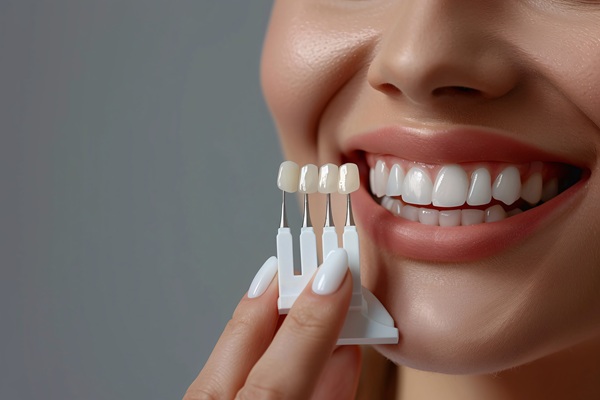
Dental veneers enhance the smile with a blend of beauty, efficiency, and durability. These thin shells bond to the front of teeth to correct chips, stains, gaps, and minor misalignment with precision. But like any dental treatment, there are some trade-offs to consider. Weighing the pros and cons of veneers can help patients decide whether to move forward and book an appointment for this popular treatment.
Pros of dental veneers
A general or family dentist can use dental veneers to fix discoloration, small gaps, or uneven tooth edges. Moreover, most patients with good oral health and hygiene qualify. Three other popular benefits of veneers include the following:
Natural aesthetics with precise customization
Dental veneers use modern porcelain and high-quality ceramics to mimic natural enamel with remarkable translucency. The dentist matches these materials to surrounding teeth, which helps the final result blend and look natural in the smile. They also adjust the shape, width, and length to complement facial features, the lip line, and the bite. This level of customization supports beautiful harmony without creating a generic look.
Durable and stain-resistant
High-strength ceramics can resist daily wear and maintain color better than many natural teeth. The precise fit of veneers also reduces plaque buildup in hard-to-reach areas, supporting gum health. With proper home care and regular dental cleanings, veneers are durable enough to last 10 to 15 years.
Efficient smile transformation
Dental veneers deliver significant improvements in a short timeline. After careful planning, the general or family dentist prepares teeth, takes digital scans, and places provisional veneers for a test drive of color and shape. At the next visit, they bond the final restorations and polish them to a natural sheen. Patients can expect a brighter, more symmetrical smile in just a few appointments.
Cons of dental veneers
Considering the pros, it is easy to see why dental veneers are a popular smile enhancement. However, it is important to have realistic expectations and understand that there are some trade-offs. For one, veneers enhance but do not replace natural tooth anatomy. Other cons include:
Irreversible tooth alteration
Most veneers require some of the enamel to be ground away so they can fit and look natural. Although the reduction is conservative, enamel does not grow back. For this reason, patients need to have enough healthy enamel to support the veneer and their oral health. (Some patients may qualify for no-prep veneers, which require no enamel removal.)
Future repairs
Dental veneers may need to be replaced after 10 to 15 years due to general wear and tear. Some patients, such as those who chew ice or grind their teeth, may need early repairs or replacements. To avoid this, do not use the teeth as tools or chew on hard objects, like ice. Consider wearing a nightguard to protect the veneers against teeth grinding while sleeping.
Not ideal for every clinical scenario
Dental veneers correct many cosmetic concerns, but some situations respond better to alternative solutions. Extensive decay, large fractures, or severely misaligned teeth may require dental crowns, root canal therapy, or other treatments. The general or family dentist reviews gum health, bite forces, and enamel thickness to confirm which treatment approach would be best.
Final thoughts: Choosing confidently
Want to learn more about dental veneers? Contact The Scarsdale Dentist for an appointment with our Scarsdale team. We can discuss the above pros and cons in greater detail and answer any questions you may have. Our goal is to help you choose a smile enhancement with confidence.
Request an appointment here: https://www.thescarsdaledentist.com or call The Scarsdale Dentist at (914) 491-5802 for an appointment in our Scarsdale office.
Check out what others are saying about our dental services on Yelp: Dental Veneers and Dental Laminates in Scarsdale, NY.
Related Posts
Dental bonding uses tooth-colored composite resin to repair small flaws, reshape edges, and refresh a smile with minimal enamel removal. The dentist conditions the surface, places pliable resin, sculpts the contours, then cures and polishes for a seamless blend. Composite resin bonds micromechanically to enamel and dentin, forming a strong bond. Since the technique preserves…
Dental bonding is a way to improve your smile by closing gaps between teeth without orthodontic treatment, repairing chips and cracks and fixing other minor cosmetic imperfections. This review highlights what dental bonding is, what the benefits of treatment are and when to consider dental bonding treatment to improve your smile. No one should have to…
A chipped tooth tends to occur at the worst possible times. It might be a result of getting hit in the face while playing a contact sport or biting into hard candy. Chipped teeth require treatment regardless of how minor they might seem. The damage usually removes portions of enamel, creating a weak point for…
A person’s smile comprises many parts, each contributing to the overall aesthetic, including teeth alignment, whiteness, smoothness, and shape, and a cosmetic dentist specializes in all these areas. They can help a patient improve their smile’s appearance so they can confidently show off their pearly whites to the world.However, many people do not realize that…