4 Tips for Implant Crown Care
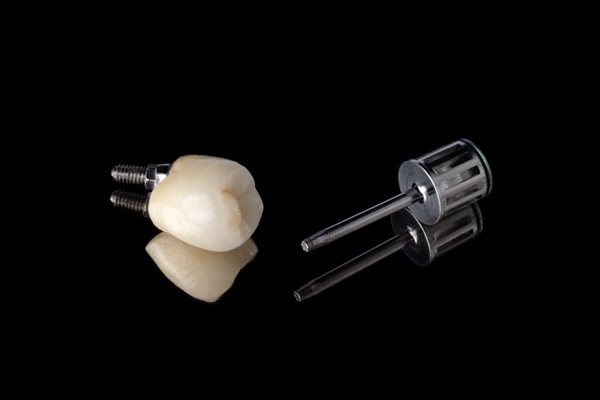
Wondering how to properly care for your new implant crown? Read on to learn some helpful tips on crown care. The amount of time you are able to keep your implant crown in an ideal condition depends on how well you care for it long-term. With proper care, many patients are able to avoid replacing or repairing their crown for more than 15 years.
4 Ways to care for your implant crown
You can help ensure your crown remains in great condition through a quality oral care routine, by taking precautions to protect against bruxism and dental trauma, checking for signs of complications regularly, and visiting the dentist for check-ups and cleanings.
1. Keep the teeth clean with a quality oral care routine
In many ways, caring for your implant crown is no different than caring for a natural tooth. Much like protecting a natural tooth, the most important care tip is to implement a consistent and thorough oral care schedule. This should include brushing your teeth two or three times every day and flossing. Using mouthwash can also help kill any remaining bacteria in the mouth after brushing and flossing.
2. Protect teeth from bruxism and other forms of dental trauma
Bruxism refers to the teeth grinding together at night without the patient realizing it. This makes it hard to prevent as the patient is not aware they are doing it. However, you can easily prevent bruxism from damaging your implant crown by wearing a nightguard for bruxism, which dentists can customize for patients who need it. It is also important to wear a mouthguard during contact sports and other physical activities in which receiving a blow to the face is a possibility.
3. Check for any signs of tooth or gum complications regularly
A lot of oral health concerns and issues with implant crowns go undetected until the patient's next check-up visit. The longer a minor issue goes undetected and untreated, the worse the issue can become. Subsequently, patients should consistently check on the status of their oral health and condition of the implant crown and notify their dentist if any issues develop. Of course, regular check-up visits with the dentist are also encouraged for a thorough examination and a dental cleaning.
4. Eat a diet that is low in sugar and other carbohydrates
One of the main keys to protecting oral health long-term is to keep the gums and underlying jawbone healthy and prevent periodontal disease. A common contributing factor to periodontal issues is a poor diet that is high in sugar, starch, and other carbohydrates that can have a negative impact on teeth and gums. Subsequently, patients are encouraged to understand how dietary choices can affect their overall oral health and impact the longevity of their implant crown(s).
Schedule a consultation visit with our dental team
We offer implant crown treatment to patients that need to replace a single missing tooth, and we can help you replace multiple missing teeth through the use of an implant-supported bridge or implant-supported denture. To learn more about your restorative dentistry options, contact our dental practice today.
Request an appointment here: https://www.thescarsdaledentist.com or call The Scarsdale Dentist at (914) 491-5802 for an appointment in our Scarsdale office.
Check out what others are saying about our services on Yelp: Implant Crown in Scarsdale, NY.
Related Posts
Dental implants can replace missing teeth using a combination of screwlike metal posts and dental crowns, bridges, or dentures. Many consider implants state-of-the-art teeth replacement. Though dental implants can be an effective way to restore your smile, it is important to ensure they are right for you and understand how they work.Dental implants can support…
Dental implants have become widely popular as a natural-looking tooth replacement solution. Not only do implants restore a patient’s full smile, but they also keep the jawbone engaged to prevent it from shrinking. However, they must be surgically implanted, which can bring some risks. Dive deeper into the pros and cons of dental implants to…
Dental implants are available to provide permanent restoration to missing teeth. Though a favorite among dental professionals and patients, there are a few things to consider before choosing these smile restoratives.Patients will need an adequate amount of underlying jaw for the dental implant process. Patients with insufficient jawbone density may be eligible for bone grafts,…
Dental implants are stable structures that can replace missing teeth. They consist of durable, biocompatible materials. Knowing why these restorations last for a long time can motivate you to invest in your dental health. Here are the details on how long dental implants can serve you.Dental implants fuse with the jawbone and gum tissue. The…